

Yarn • 26 May 2026 • 7 min read
Daily Yarn Price Discipline: How Textile Teams Keep Quotes Stable
A practical operating rhythm for yarn-price updates, history, source notes and faster quote revisions when markets move.
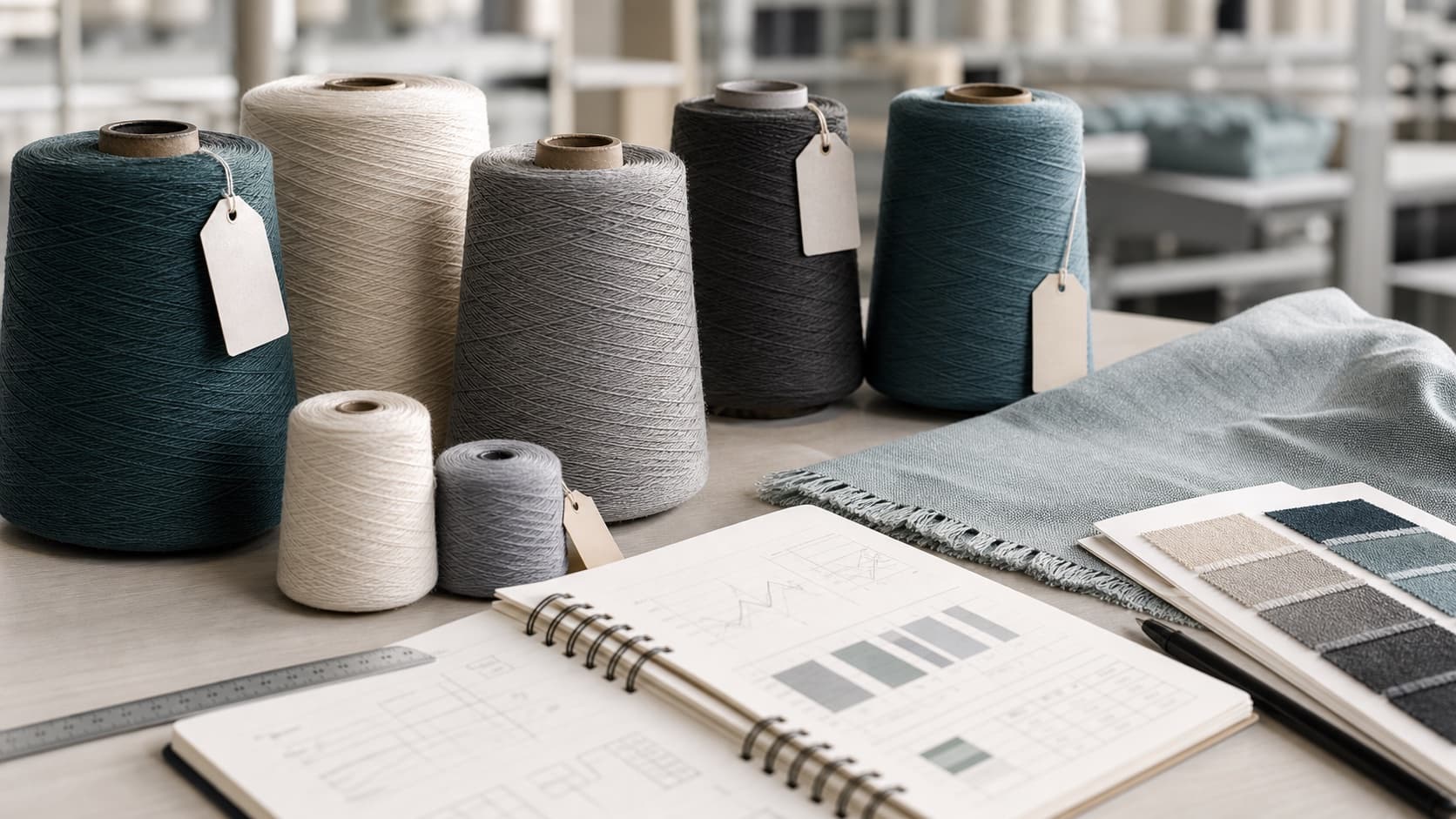
Use One Price Source
When sales, costing and production use different yarn rates, quotes drift. A shared price board gives the team one operating baseline.
The board should show current rate, grade, update date, source note and who updated it.
Keep A History Trail
Historical yarn rates help teams understand trend direction, not only today's quote. They also make buyer conversations more transparent when prices move.
Without history, teams overreact to noise or miss a larger market shift.
- Current price
- Grade or quality level
- Source note
- Update date
- Historical movement
Recheck Sensitive Fabrics
Some fabrics are more sensitive to a particular yarn. When that yarn moves, recalculate those constructions first.
This routine prevents old quotes from becoming unprofitable.
// Buyer FAQ
Common Questions
How often should yarn prices be updated?
High-volume yarns should be reviewed daily or whenever the market moves enough to affect active quotes.
Why keep yarn price history?
History gives context for quote revisions and helps teams plan buffers more intelligently.
// Next Buying Step
Turn This Into A Fabric Inquiry
Use the guide above to shortlist fabric type, width, GSM, finish stage, quantity, country, and sample requirement before contacting AERA TEX.